
Ecosystem: Definition and Etymology
Ecosystem, from Greek ‘oikos’ (home) and ‘-system’, denotes a biological community and its interacting environmental elements.
But you don't know it
Ecosystem, from Greek ‘oikos’ (home) and ‘-system’, denotes a biological community and its interacting environmental elements.
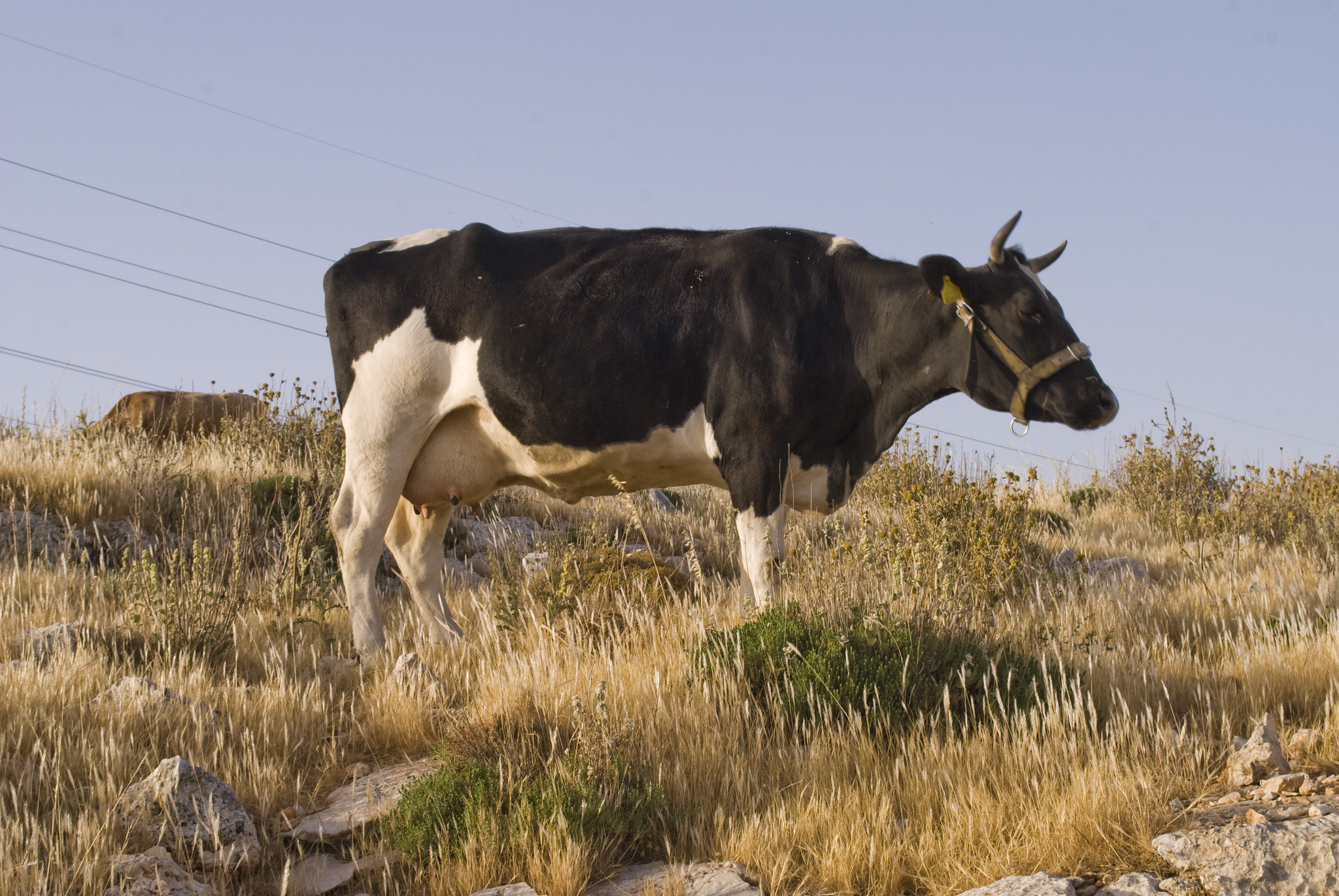
The term “bucolic” is used to describe anything pertaining to the countryside or rural life, often evoking an idyllic, pastoral, and peaceful image of country living. It is frequently associated with the simplicity, charm, and natural beauty of rural scenes and landscapes.

Aeroplane, from Greek ‘aēr’ (air) and ‘planos’ (wandering), refers to a powered flying vehicle with fixed wings

Paradox, from Greek ‘para’ (against) and ‘doxa’ (opinion), denotes a statement that defies conventional logic.
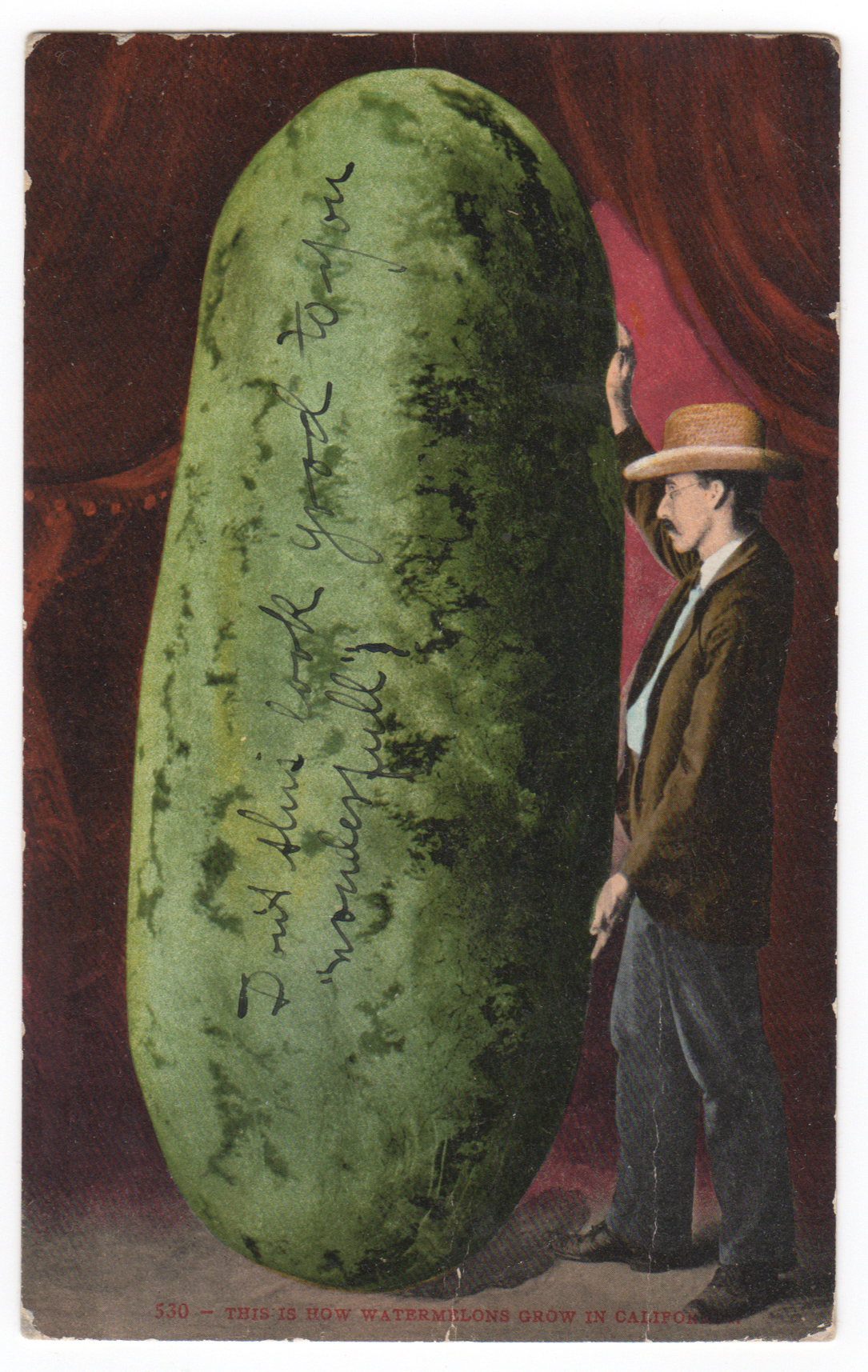
Hyperbole, from Greek ‘hyper’ (over) and ‘bole’ (throw), refers to exaggerated statements for dramatic effect.
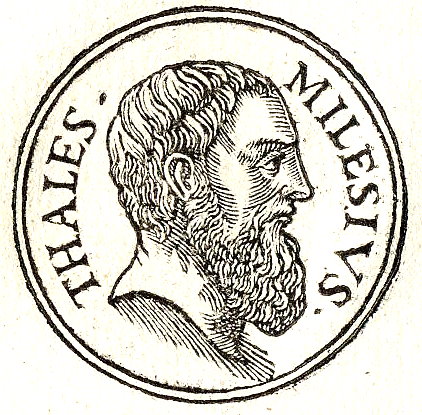
From Greek ‘monos’ (alone) and ‘polein’ (to sell), Thales of Miletus exemplified ‘monopoly’ by cornering the olive press market.

The term “epidemic” is used to describe the rapid spread of a disease across a particular population or region within a short period. It characterizes a situation where the number of cases of an illness, specific health-related behaviour, or other health-related events exceeds normal expectancy.

Sophistication denotes a state of being sophisticated, characterized by worldly experience, knowledge, and a refined, complex nature. It often suggests a cultivated awareness of the finer things and nuances in life, along with polished manners and tastes.
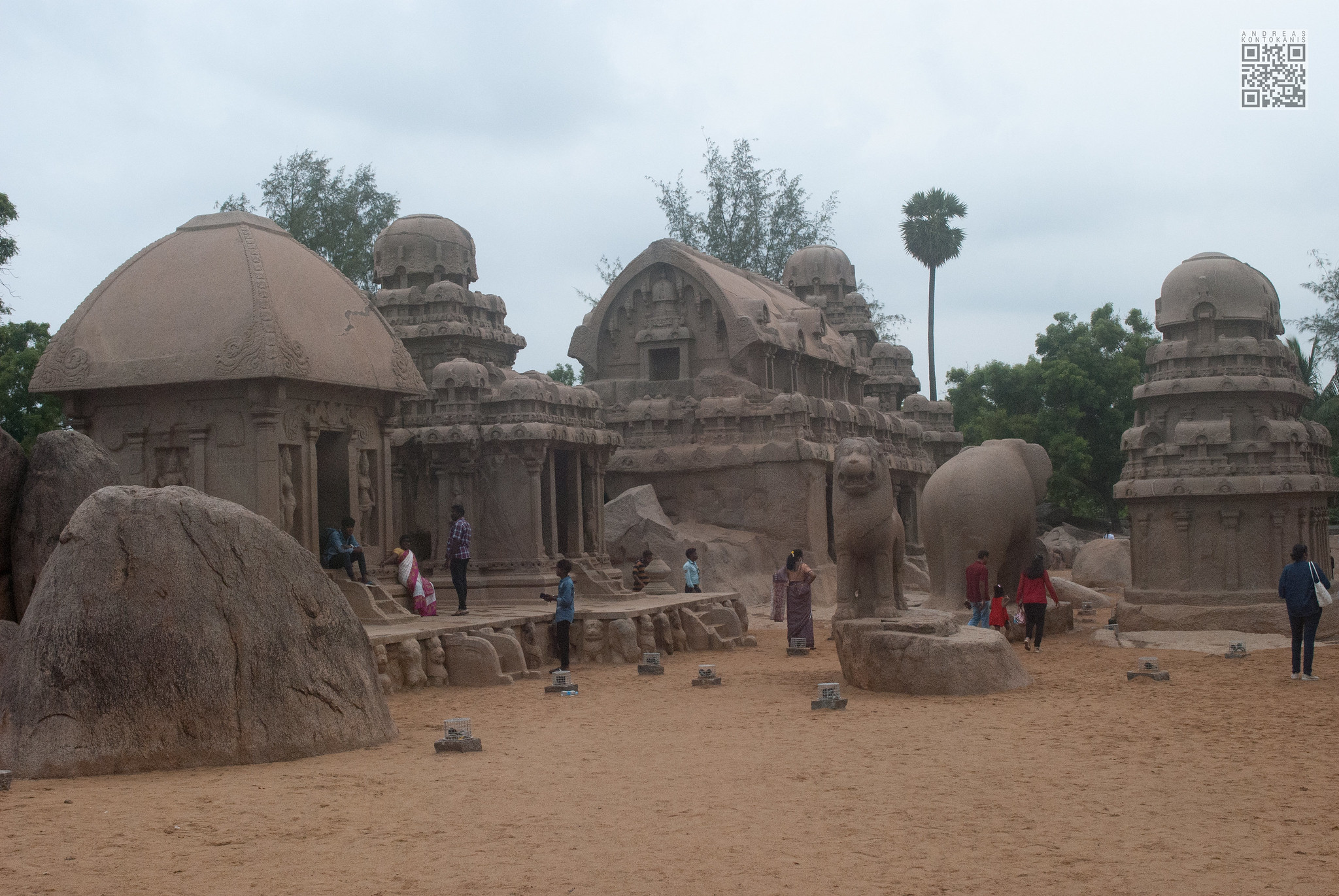
Derived from Greek ‘monos’ (single) and ‘lithos’ (stone), ‘monolithic’ describes large, uniform structures or unified systems.
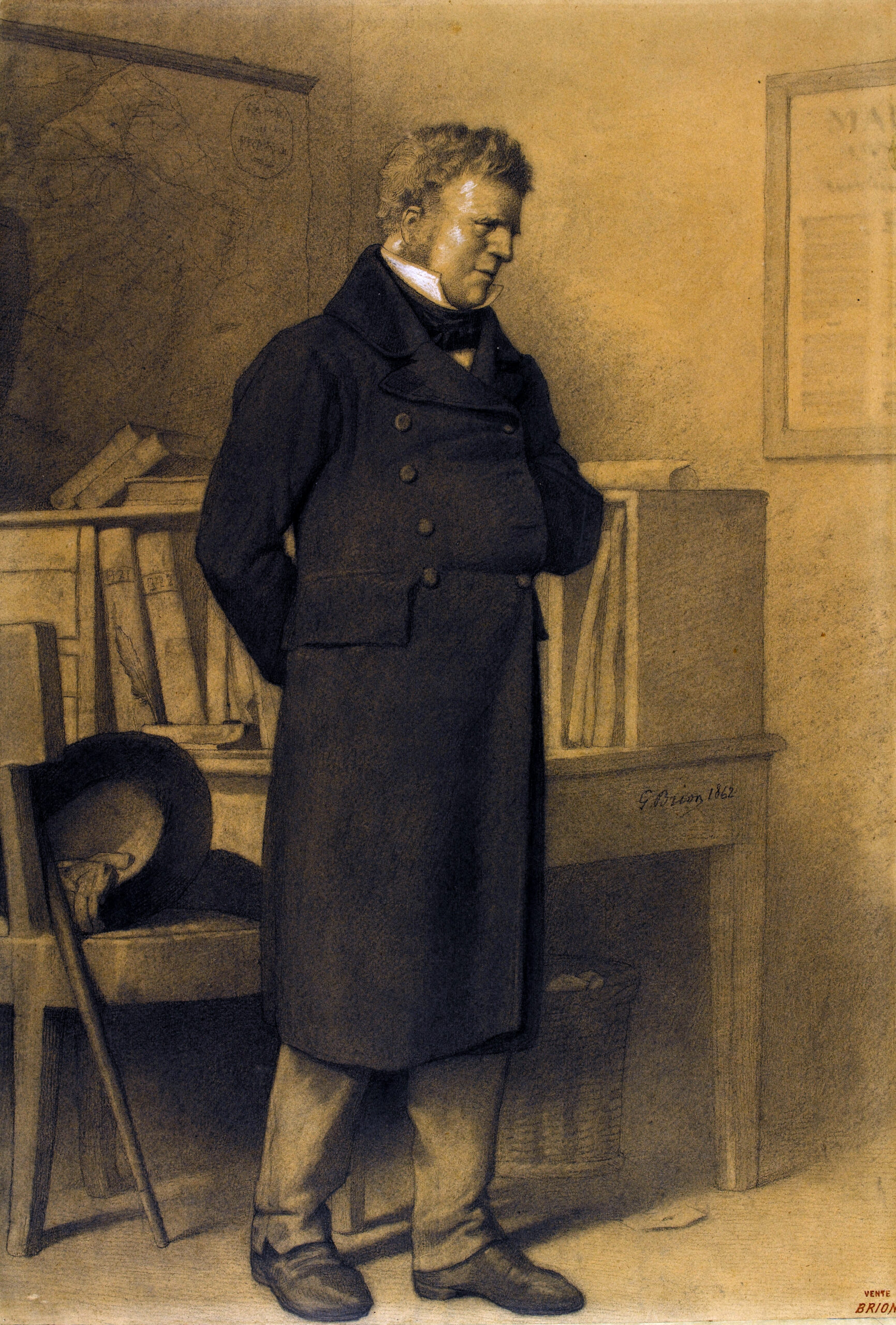
Philanthropist’ from Greek ‘philos’ (loving) and ‘anthropos’ (humanity), denotes someone generously aiding others’ welfare.