
Etymology and Origin of word Abyss
Explore ‘abyss’: a term from Greek ‘ábyssos’ meaning ‘bottomless,’ used in everyday language, philosophy, and science to describe profound depths.
But you don't know it
Explore ‘abyss’: a term from Greek ‘ábyssos’ meaning ‘bottomless,’ used in everyday language, philosophy, and science to describe profound depths.

The word “astrology” comes from the Greek words ἄστρον (astron), meaning “star”, and λόγος(logos), meaning “word”, “speech”, “discourse”, or more broadly, “study of”. Thus, “astrology” translates to “the study of stars”.

Astronomy, derived from the Greek words astron for ‘star’ and nomos for ‘law’, translates to ‘the law of the stars’, signifying its study of celestial bodies.

The word “alchemy” has a fascinating and multi-layered etymology, with roots in both Greek and Arabic languages.

Explore the rich history of the word ‘epic,’ from its ancient Greek origins in classical literature, embodying grand tales and heroism, to its modern adaptation in various forms of storytelling and everyday language, reflecting a journey across time and cultures
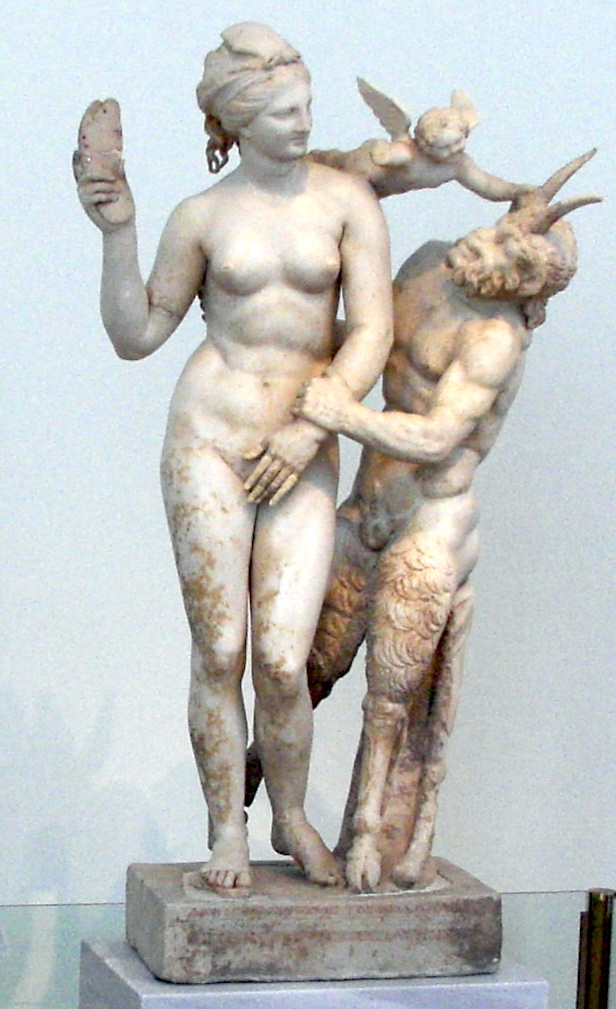
The term “satire” traces its roots to Ancient Greece and the Greek word “σάτυρος” (satyros), referring to mischievous creatures known for their humor in Greek plays. Evolving in Rome, satire became a tool for societal critique. The contemporary concept of satire, encompassing various media forms, exposes societal follies through humor and irony, reflecting its enduring influence since ancient times.

The word “holistic” comes from the Greek word “holos,” which means “whole” or “complete.” The concept of holism, or the idea that things should be viewed as a whole rather than as a sum of parts, has been present in various forms throughout history. In the early 20th century, the[…]

The word “method” originates from the Greek word “μέθοδος” (methodos), which is derived from “μετά” (meta) meaning “with,” “after,” or “beyond,” and “ὁδός” (hodos), meaning “way,” “road,” or “path.” In ancient Greek, “methodos” referred to a pursuit, a way of inquiry, or a way of thinking and acting. The term[…]

The word “nostalgia” comes from two Greek words: “nostos” meaning “return home” and “algos” meaning “pain” or “ache.” It was coined in the late 17th century by a Swiss doctor named Johannes Hofer to describe a medical condition that he observed in Swiss soldiers who had been away from home[…]

Discover the origin of ‘melancholic’ from ancient Greek medicine and its definition as a deep and prolonged sadness, often associated with introspection and nostalgia.