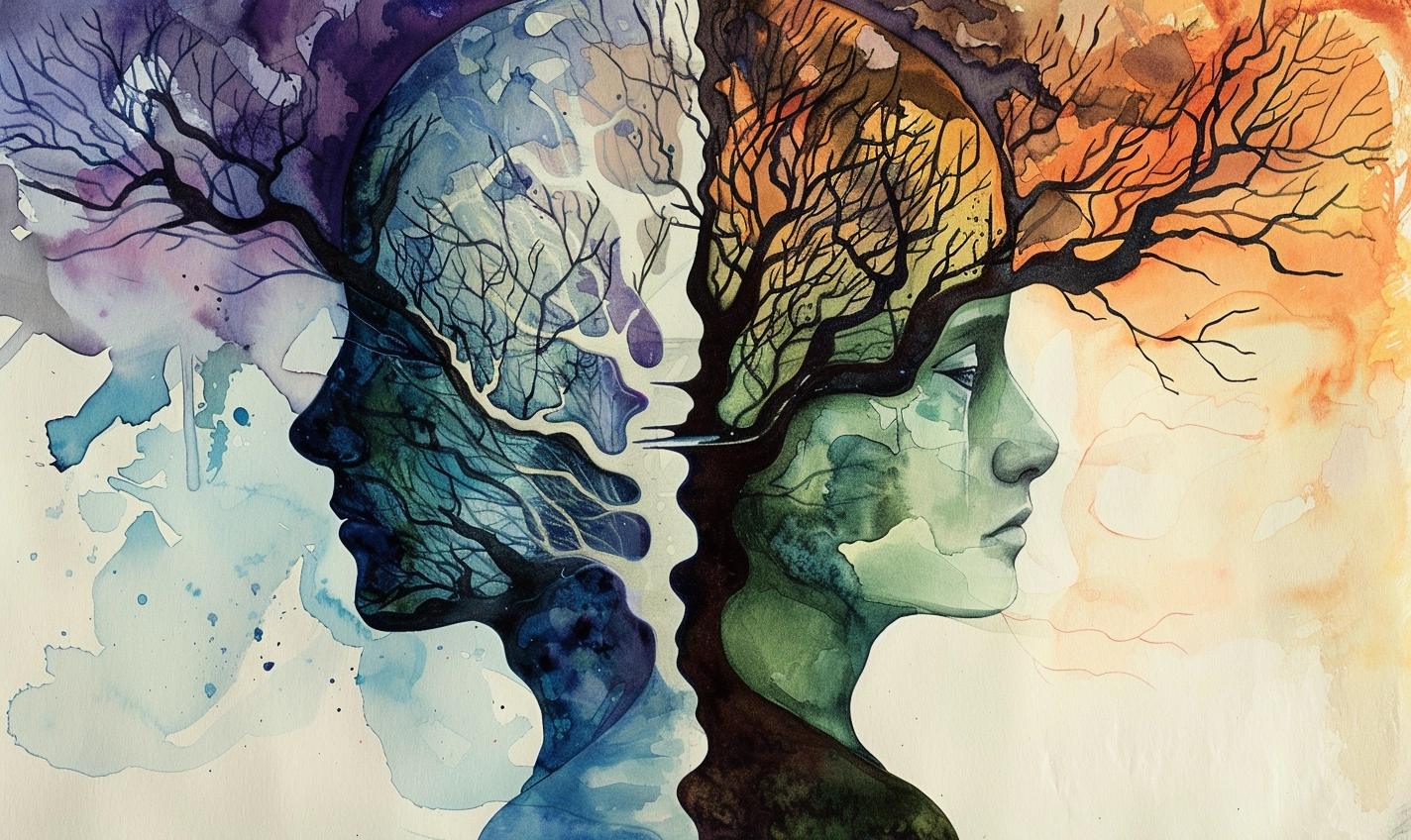
Definition of Psychology: Psychology is the scientific study of the mind and behavior. It encompasses the examination of conscious and unconscious phenomena, as well as feelings and thoughts. Psychology seeks to understand individuals and groups through general principles and researching specific cases, and by many accounts, it ultimately aims to benefit society. The discipline involves various sub-fields such as cognitive processes, human development, sports, health, clinical, social behavior, and cognitive processes.
Etymology and Origin: The word “psychology” comes from the Greek words “ψυχή” (psyche) meaning “soul,” “spirit,” or “mind,” and “λογία” (logia), meaning “study of” or “research.”
- Greek Roots: The term “psyche” in ancient Greek philosophy and literature referred to the non-physical, spiritual part of a human. “Logia” was a common suffix used in Greek to denote a field of study or academic discipline.
- Formation and Usage: The term “psychology” first emerged in the 16th century, primarily used in the philosophical context to refer to the study of the soul. It evolved in the 17th and 18th centuries as a branch of philosophy concerned with the mind before becoming an independent scientific discipline in the 19th century.
The transition from the study of the soul in a philosophical context to the scientific study of the mind and behavior reflects the broadening and evolution of the field. The term “psychology” retains its Greek roots while encompassing a wide range of theories, methods, and applications in the modern world.