
Pedagogical Origins: From Ancient Greek Guidance to Modern Teaching Methods
Pedagogical, from Greek ‘paidagogos’ (child leader), now refers to the art and science of teaching methods and practices.
But you don't know it

Philosophy originates from Greek word Φιλοσοφία (Philosophia). The Greek word etymology is philos (Φίλος means friend) + sophia(Σοφία – means wisdom). So the friend of wisdom is a philosopher. So everybody who seeks wisdom is a philosopher.
Pedagogical, from Greek ‘paidagogos’ (child leader), now refers to the art and science of teaching methods and practices.

Anomaly, originating from Greek ‘anōmalos’ (not even), refers to deviations from the norm in science and everyday use
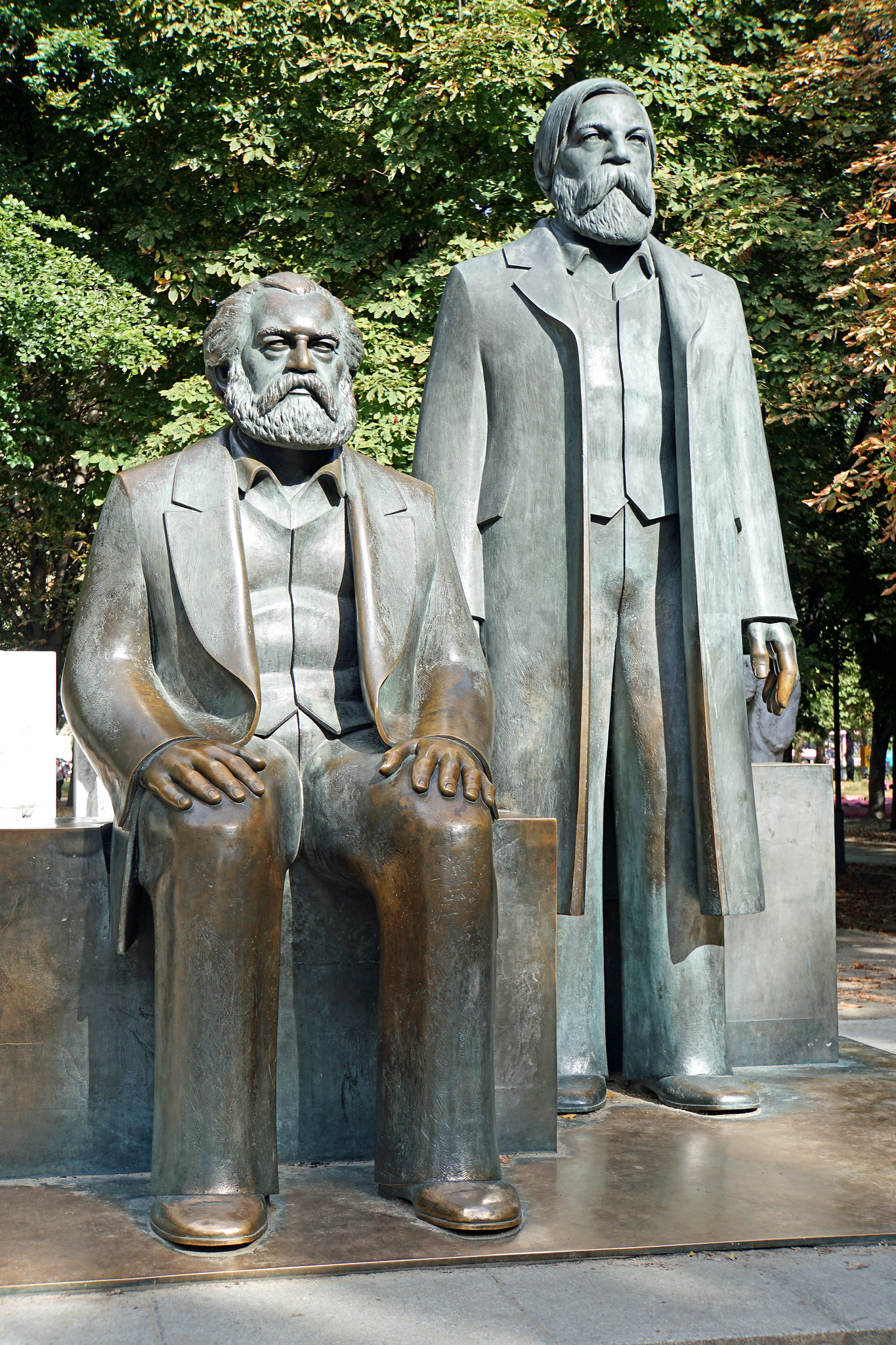
Dialectic, from Greek ‘dialectos’ (conversation), refers to a logical method of resolving contradictions to uncover truth.

Sophist, from Greek ‘sophos’ (wise), originally meant a skilled teacher, now implies one using fallacious arguments.

Apocalypse, from Greek ‘apokalypsis’ (unveiling), refers to a prophetic revelation and is often linked with world-ending events.

Paradox, from Greek ‘para’ (against) and ‘doxa’ (opinion), denotes a statement that defies conventional logic.

Hyperbole, from Greek ‘hyper’ (over) and ‘bole’ (throw), refers to exaggerated statements for dramatic effect.
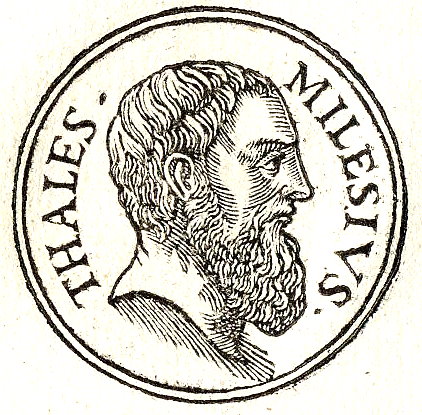
From Greek ‘monos’ (alone) and ‘polein’ (to sell), Thales of Miletus exemplified ‘monopoly’ by cornering the olive press market.

Martyr,’ from Greek ‘martyras’ meaning ‘witness,’ evolved to denote one who suffers or dies for their faith or cause.”

In summary, the term “stoic” originates from the Greek “stoikos,” related to the location where the Stoic philosophy was taught, and has evolved to describe a person who displays endurance and calmness in adversity, reflecting the teachings of Stoic philosophy.