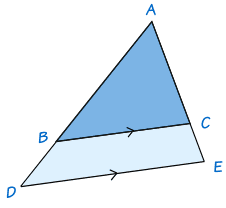
Axiom: Bridging Mathematics and Philosophy with Greek Origins
Axiom, from Greek ‘axios’ (worthy), is a self-evident truth in mathematics and philosophy serving as a foundational principle
But you don't know it
Axiom, from Greek ‘axios’ (worthy), is a self-evident truth in mathematics and philosophy serving as a foundational principle

Anecdotal, rooted in Greek ‘anekdotos’ (unpublished), refers to information based on personal stories rather than scientific proof

Coward, from Greek ‘koth-ouros’ (harmless tail), denotes a person lacking courage in facing danger, pain, or difficulty.
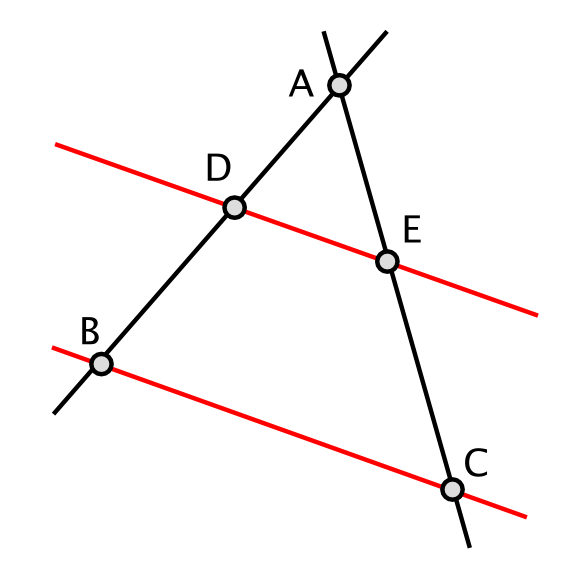
Theorem, from Greek ‘theōrēma’ (a thing looked at), refers to a proven proposition in mathematics and logic based on logical reasoning.

Thermometer, combining Greek ‘thermos’ (heat) and ‘metron’ (measure), is a device for measuring temperature.

Telephone, from Greek ‘tēle’ (far) and ‘phonē’ (voice), refers to a device for long-distance voice communication.

Metro, shortened from ‘metropolitan’, originates from Greek ‘metropolis’ (mother city), now referring to city subway systems.

Metallurgy, from Greek ‘metallon’ (metal) and ‘ergon’ (work), is the science of metal extraction and manipulation.

Dialectic, from Greek ‘dialectos’ (conversation), refers to a logical method of resolving contradictions to uncover truth.

Hubris, from Greek ‘ὕβρις’ (hybris), signifies extreme arrogance, often leading to downfall due to overconfidence.