
Chorus: From Greek ‘Khoros’ to Collective Singing and Song Sections
Chorus, from Greek ‘khoros’ (group of dancers or singers), refers to a collective singing group or a song’s repetitive section
But you don't know it
Chorus, from Greek ‘khoros’ (group of dancers or singers), refers to a collective singing group or a song’s repetitive section

Orchestra, from Greek ‘orchēstra’ (dancing space), now refers to a large ensemble of musicians playing together.

Symphony, from Greek ‘symphonia’ (sounding together), refers to a large-scale orchestral music composition with multiple movements.

Fanatic, from Latin ‘fanaticus’ and Greek ‘phanos’, denotes extreme zeal, especially in religion and politics.

Moron, derived from Greek ‘moros’ (foolish), evolved from a psychological term to a common insult for perceived foolishness.

Meaning of Oxymoron: An oxymoron is a figure of speech in which two seemingly contradictory or opposing words are used together for rhetorical effect, often to create an impression, emphasize contrasts, or to illustrate paradoxical situations. Common examples include phrases like “deafening silence,” “bittersweet,” or “living death.” Etymology and Origin:[…]

Cynophobia, combining Greek ‘kynos’ (dog) and ‘phobos’ (fear), denotes an irrational and excessive fear of dogs.
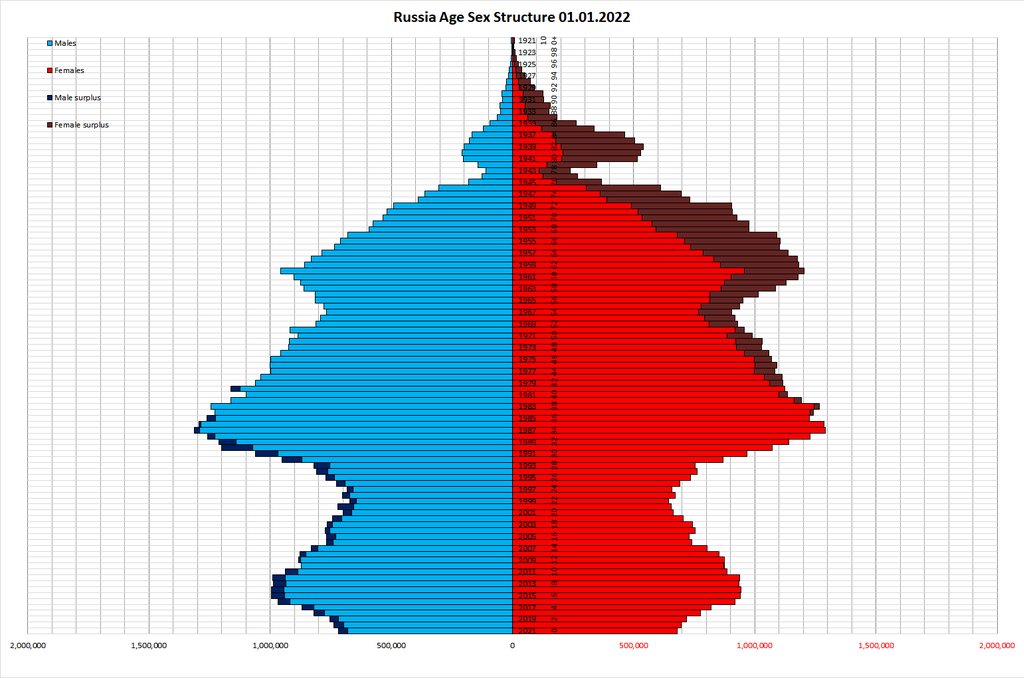
Demographics, from Greek ‘dēmos’ (people) and ‘graphō’ (to write), refers to statistical data about population characteristics.

Pedagogical, from Greek ‘paidagogos’ (child leader), now refers to the art and science of teaching methods and practices.

Anomaly, originating from Greek ‘anōmalos’ (not even), refers to deviations from the norm in science and everyday use