
Catatonic: Understanding Its Psychiatric Definition and Greek Roots
Delve into ‘catatonic’, a psychiatric term from Greek ‘kata’ (down) and ‘tonos’ (tension), describing a state of stupor or unresponsiveness.
But you don't know it

Philosophy originates from Greek word Φιλοσοφία (Philosophia). The Greek word etymology is philos (Φίλος means friend) + sophia(Σοφία – means wisdom). So the friend of wisdom is a philosopher. So everybody who seeks wisdom is a philosopher.
Delve into ‘catatonic’, a psychiatric term from Greek ‘kata’ (down) and ‘tonos’ (tension), describing a state of stupor or unresponsiveness.

Explore ‘history’, from Greek ‘historia’ (inquiry), a field dedicated to uncovering and understanding the human past.

Delve into ‘parallelism’, a rhetorical device from Greek ‘parallēlos’, used to create balance and rhythm in language and speech.

Explore ‘antithesis’, a rhetorical tool from Greek ‘anti-‘ (against) and ‘tithenai’ (to place), highlighting contrasts in speech.
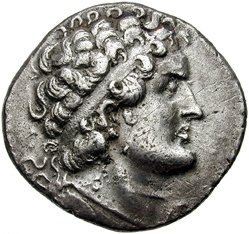
Explore ‘dynasty’, from Greek ‘dynastia’ (power), signifying a series of rulers from the same family impacting history and culture

Explore ‘genocide’, a term combining Greek ‘genos’ (race) and Latin ‘caedere’ (to kill), signifying the mass extermination of groups

Explore ‘dynamis’, an ancient Greek term meaning ‘power’, pivotal in Aristotle’s philosophy on potentiality and change

Explore ‘neurotic’, a term from Greek ‘neuron’ (nerve), describing emotional instability and anxiety-related conditions.

Delve into ‘seismophobia’, the fear of earthquakes, combining Greek ‘seismos’ (earthquake) with ‘phobia’ (fear).

Unravel ‘arachnophobia’, the fear of spiders, rooted in Greek mythology, affecting many with intense anxiety and dread.